Restful Sleep, inside our building
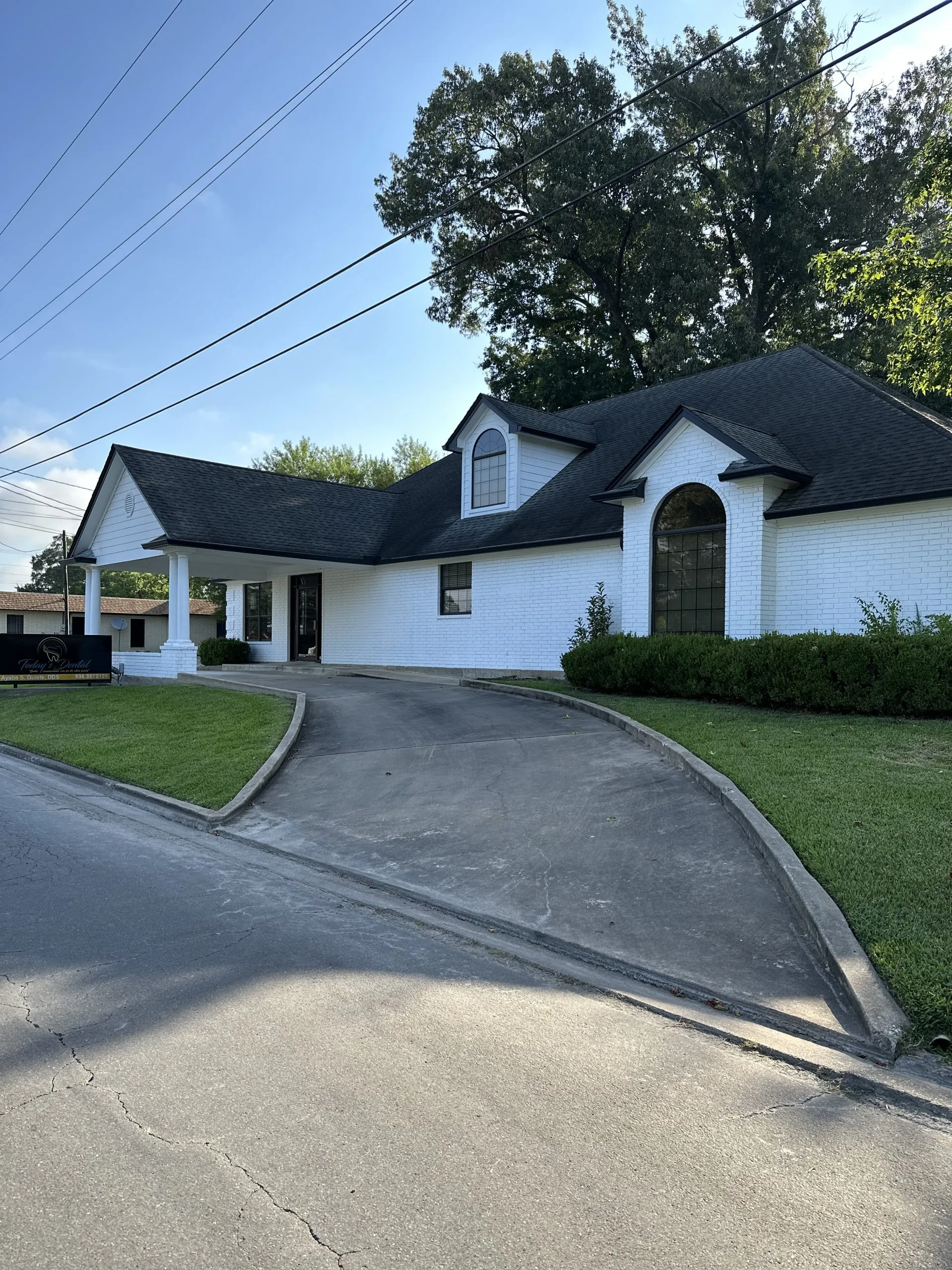
Restful Sleep is Dr. Guiste’s dental sleep practice, in our building on North Willis Avenue. It has its own phone number, so call its team directly with sleep questions.
A physician diagnoses sleep apnea
A physician diagnoses sleep apnea, usually with a sleep study in a sleep lab or at home. A dentist does not. If you have not had a sleep study, start with your physician.
Snoring can be a sign of sleep apnea. If you snore, ask your physician whether you should be tested before you treat the snoring itself.
A mouthpiece you wear at night
An oral appliance holds your lower jaw forward while you sleep to help keep your airway open. Restful Sleep fits each one, made from impressions of your mouth.
When a physician may suggest one
If you are an adult who snores without sleep apnea and wants treatment, a sleep physician may prescribe an oral appliance, following the joint guideline of the American Academy of Sleep Medicine and the American Academy of Dental Sleep Medicine.
If you have obstructive sleep apnea:
- CPAP is generally the first choice.
- Your sleep physician may consider an oral appliance if you cannot tolerate CPAP or prefer another treatment. If your sleep apnea is severe, an appliance is reserved for when CPAP did not help you or you could not tolerate it.
- You should get a custom, adjustable appliance from a qualified dentist rather than a ready-made one.
- After fitting, a follow-up sleep study checks that the appliance is working. You then return for periodic visits with your sleep physician and with the dentist, who checks your teeth and bite for changes.

Your physician decides which treatment fits you, and Restful Sleep works with your physician.
Sources
- Ramar K, et al. Clinical practice guideline for the treatment of obstructive sleep apnea and snoring with oral appliance therapy: an update for 2015 (AASM and AADSM). J Clin Sleep Med. 2015;11(7):773-827
- Kapur VK, et al. Clinical practice guideline for diagnostic testing for adult obstructive sleep apnea (AASM). J Clin Sleep Med. 2017;13(3):479-504