
Clear aligners that move your teeth step by step
Invisalign straightens teeth with a series of clear, removable aligners instead of metal brackets and wires. Your aligners are made for your teeth from digital impressions, and each set moves your teeth a small step closer to their proper positions.
Wearing your aligners day to day
- The aligners are clear, so they are hard to notice when you talk or smile.
- They are smooth plastic, with no metal brackets or wires to irritate your cheeks and lips.
- You wear them 20 to 22 hours a day.
- You take them out to eat, drink, brush and floss, so you keep cleaning your teeth the way you do now.
You may feel some soreness or pressure when you start. It is usually strongest in the first day and eases over the first week. Your speech may sound a little different at first, and that improves as you get used to the aligners.
From your consultation to your retainer
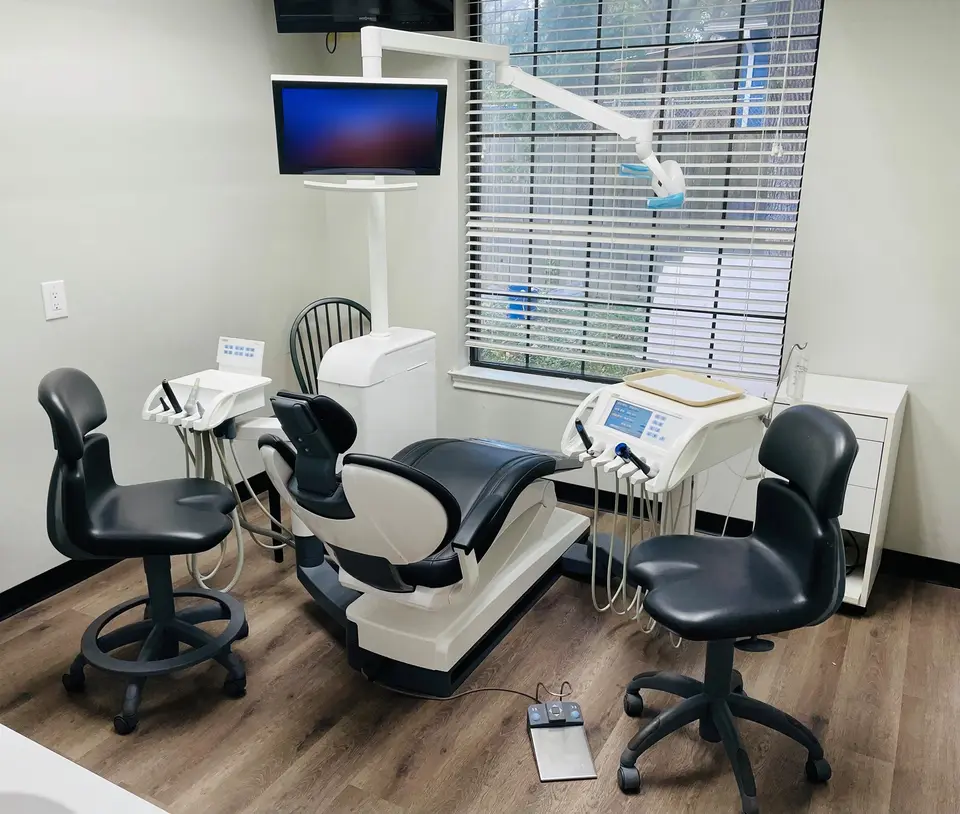
- Consultation. Dr. Guiste examines your teeth to see whether Invisalign is right for you. We talk through what you would like to change and answer your questions.
- Your plan. Using 3D imaging, we map how your teeth will move with each set of aligners. You can see a 3D preview of the planned result before you begin.
- Your aligners. Once your aligners are ready, you change to a new set about every two weeks. Regular check-ins at our office let us see that your teeth are moving as planned.
- Your retainer. After your last set, a retainer holds your teeth in their new positions, and we tell you how and when to wear it.
Teens and adults with crowding, gaps or bite problems
Invisalign treats mild to moderate orthodontic problems in teens and adults, including:
- crowded teeth
- gaps between teeth
- overbite, underbite and crossbite
- mild to moderate crookedness
For more severe crowding or bite problems, braces may be the better choice. At your consultation we tell you what we see and help you choose the treatment that fits your teeth.
Paying for your aligners
Our front desk can tell you what your Invisalign treatment costs and how we handle payment and insurance.